



The Kids – Validation, Empathy, and Motivation
When we decided in 2002 to move to Windsor, I failed to recognize how much activity would be in Toronto and how often I would want to visit with people there. The good news is I am glad that I couldn’t see the future, or I might have stayed in Oakville. The quality of life that I have here in the sunbelt has been great and I wouldn’t want to retroactively reverse that decision. I golfed last Friday – my buddy Shawn in Ottawa was looking out the window at snow.
That said, my trips to Toronto are usually filled with fun visits with colleagues, conferences, and food, lots of food. On my visit to Toronto in October, almost all the conversations that I had with colleagues at some point landed on the economy and the struggles of younger workers trying to get started in a career and in life.
At the first dinner, a friend said “the war generation screwed the boomers and rather than live with it the boomers are just passing on the problems to the next generation”. This was a discussion about government debt and the inflation that it causes. At morning coffee the next day, I was asked “how do we help millennials save more for retirement?”. The next afternoon I saw a colleague who reported that his recently graduated son (lawyer) has just married and moved with his wife out of Canada. No longer is the assumption that Canada is the best place to live.
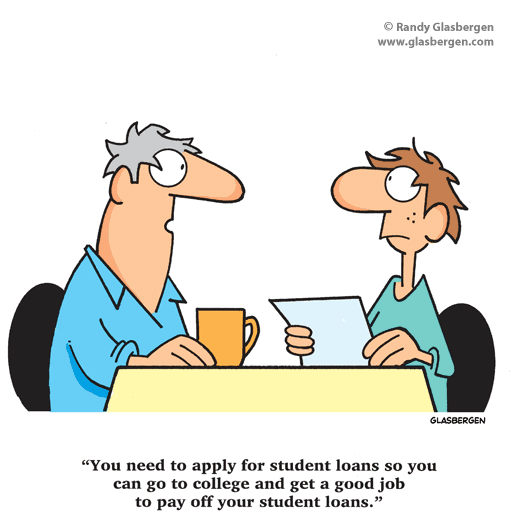
As someone living at ground level with three kids in their mid-20s, here is what we know. Wage inflation over the past 30 years has not kept up with the increasing cost of housing, getting a university degree does not hold the cache it once held nor does it automatically drive an economically rewarding career, and either society is in slow decay or at least the ubiquity of social media creates that impression. You can understand why younger folks are struggling both financially and mentally. The question is where do we go from here?
Validation
For me, the first step is to validate the experience young people are facing. Five years ago, I was one of the grumpy old men complaining that the kids needed to work harder and take their future more seriously. I didn’t recognize the difficulties created when living in a world without a clear road map – ‘do this, get that’. In retrospect, graduating in the late 1980s, my career was handed to me. Now I tell my kids – and all young folks – that I agree that they have it tough. I think validating their perception of the situation at least puts us in a position to collaborate on the solutions.
Empathy
I do feel bad that for several generations our governments have printed money to solve problems rather than actually solving problems – we have just moved around who has the problems. Every time we bail out banks, we solve a problem for shareholders and rich bankers and transfer that problem to the taxpayers at-large. Send lots of money to workers and business owners during COVID whether they need the money or not and create new problems for those that don’t have investments (or at least a house) to immunize them from the inflation that follows.
If I were under the age of 30, having trouble starting a career, and unable to afford a house – I would be pissed off and looking for someone to blame. Some blame government, some blame the rich, some blame big greedy corporations. Children of poor parents blame the children of rich parents for overpaying for houses. Is looking for someone to blame fruitful? I doubt it. But you can see why some young people think communism is the answer.
Motivation
Dear young person, I am sorry that the path you thought you were supposed to take isn’t working out as promised. But we can’t change the past and so instead of looking for someone to blame we need to be looking for the road to success in the future.
My advice is this: You may not get the quality of life that your parents had. For some of you it will be better, for some worse, and for almost all it will be very different. But just because it’s different now (and realize it’s always different – my path was very different than my parent’s) it doesn’t mean that there isn’t a bright future ahead for those that take charge.
Here is something to think about: Over the coming decades Canada’s dependency ratio of the senior population compared to the working population is expected to grow from 30% to 50%. That means fewer workers supporting more retirees. That means more jobs taking care of, and entertaining, the people who are spending their retirement savings. To me there are opportunities ahead – the key is spotting one of the opportunities and developing the skills to seize the moment. The bottom line is to invest in yourself.
A few final pieces of advice – go ahead and get a coffee every day – but delete sports gambling apps from your phones, stop buying stuff you don’t need and having food delivered to your door, and learn to cook and limit how often you eat (and drink) out. These are luxuries that your parents didn’t have and are part of why they found a faster road to economic freedom. If you have a job that pays for overtime, pick up the hours you can before you have kids and the real pressures on your time that come with that choice.
As my friend Dan said at the end of my trip “small actions early compound dramatically”. Or if you prefer, as the roman poet Horace said in 23 BCE “carpe diem quam minimum credula postero”, which translates to “seize the day, trusting as little as possible in the next one”


Comments