



Longer Careers, Later Retirement, and the Next Generation
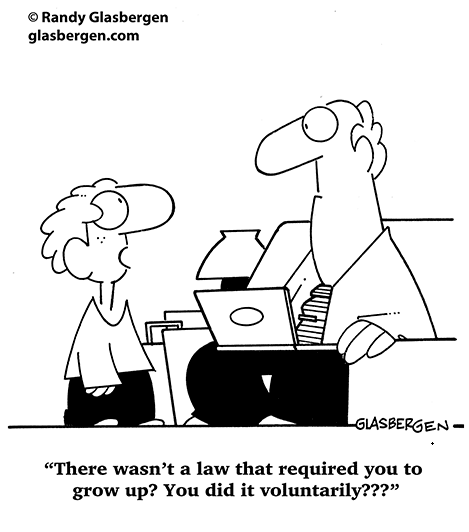
For much of the twentieth century, retirement policy was viewed through a very different lens than it is now. It once helped create room for the next generation; today, retirement policy mostly encourages people to work longer.
Mandatory retirement ages were common. Many pension plans encouraged retirement before age 65 through subsidized early retirement provisions. And to a certain extent, creating opportunities for the next generation of workers was an accepted part of a company’s pension and benefit strategy.
Today, the conversation has largely reversed.
Governments encourage longer workforce participation. Employers worry about labour shortages and the loss of experienced employees. Pension professionals regularly discuss the financial advantages of delayed retirement. And longer careers are often viewed as a positive development for both individuals and the economy.
Given increasing life expectancies and the financial challenges associated with longer retirements, this shift is understandable.
Yet a recent book by Samuel Moyn, Gerontocracy in America: How the Old Are Hoarding Power and Wealth and What to Do About It, raises a perspective that deserves consideration. Moyn argues that while longer lives are undoubtedly a success story, they may also have unintended consequences for younger generations if they are accompanied by delayed retirement and longer tenures in positions of influence.
Whether or not one agrees with his conclusions, the questions he raises are worth considering.
The Retirement Debate Has Changed
Current retirement policy discussions often focus on a familiar set of concerns.
- Can people afford to retire?
- Are retirement savings adequate?
- How do pension systems remain sustainable as populations age?
- Should governments encourage later retirement ages?
These are important questions, and they will undoubtedly remain central to retirement policy in the years ahead. But they are not the only questions worth asking.
Historically, retirement policy was often viewed as part of an intergenerational cycle. One generation exited the workforce and another moved into the opportunities created by those departures. Retirement was not simply a financial event – it was also an organizational and economic transition.
That perspective has largely disappeared in modern retirement discussions.
Increasingly, many workers are remaining employed longer than previous generations. Some do so because they enjoy their work. Others continue working because they need the income, the benefits, or the financial security that employment provides.
Longer Lives, Longer Careers
There is no question that one of the great successes of modern society has been increased longevity. People are living longer, remaining healthier, and contributing productively well beyond traditional retirement ages. From an individual perspective, this is generally positive. Many people enjoy their work, derive purpose from it, and want the flexibility to decide for themselves when retirement should occur.
At the same time, longer lives increasingly translate into longer careers. Workers remain in leadership positions for longer periods of time, often extending into traditional retirement years. Some organizations are finding that succession timelines look very different from those anticipated even two decades ago.
These developments create meaningful benefits. Experienced workers remain available to mentor younger employees, organizations retain valuable institutional knowledge, and labour force participation increases.
But it is worth asking whether this success story also involves trade-offs.
Opportunity Costs
A central theme of Moyn’s book is that aging societies face challenges that extend beyond pension costs and public finances.
One of his concerns is that older generations increasingly hold positions of economic, political, and organizational influence for longer periods, while younger generations face greater difficulty accumulating wealth and advancing their careers.
Not everyone accepts that argument. Many economists reject the notion that older workers remaining employed necessarily limit opportunities for younger workers.
In a recent NPR Planet Money Podcast, economist Olivia S. Mitchell challenged the idea that older workers crowd out younger workers. She referenced the well-known lump of labour fallacy, which suggests that economies do not contain a fixed number of jobs waiting to be allocated among workers. Her point is that economies are not static, and that employment opportunities can expand over time rather than simply being redistributed among generations.
In my view, both perspectives contain an element of truth. Longer workforce participation can strengthen the economy and help address labour shortages. At the same time, delayed retirement may influence the pace of career advancement and leadership renewal within individual organizations. Accordingly, career progression within an organization is not limitless – there are only so many executive roles, department heads, and senior leadership positions.
This distinction matters because succession planning within an organization operates differently from the broader economy. For younger employees, advancement often depends on vacancies arising at more senior levels. Succession planning therefore remains an important part of organizational development, regardless of broader labour market trends.
This does not mean that older workers are “taking” opportunities from younger workers. It does suggest, however, that retirement decisions can have consequences that extend beyond the individual making them. The challenge is to understand how to balance these competing considerations.
What Role Should Retirement Systems Play?
The debate becomes particularly interesting from a pension perspective.
Over the past several decades, much of pension policy has focused on encouraging longer workforce participation. Increased life expectancy, labour shortages, and concerns about retirement affordability have pushed policy discussions in that direction.
These concerns are legitimate. However, in focusing almost exclusively on workforce participation and retirement adequacy, it is possible that using the pension system as a tool to facilitate workforce renewal and creating opportunities for younger workers to advance and assume leadership responsibilities, has faded into the background.
That function was once widely understood. Today, it is rarely considered.
Finding the Right Balance
None of this should be interpreted as a call for mandatory retirement or a return to the employment practices of a previous generation. The workforce is healthier, more productive, and more flexible than it was fifty years ago. Many older workers continue to make important contributions, and many employers benefit from retaining their experience.
Moreover, the challenge is not that people are living longer or working longer. The challenge is that retirement policy increasingly involves trade-offs that extend well beyond the individual who is retiring.
Longer careers can improve retirement security, help address labour shortages, and retain valuable expertise in the workforce. At the same time, they can affect succession planning, career progression, and the pace at which younger generations accumulate experience, responsibility, and wealth.
In my view, the answer is not to discourage older workers from remaining employed, nor is it to revive mandatory retirement. But employers and plan sponsors should be more intentional about the workforce-renewal implications of later retirement. That means treating succession planning, phased retirement, mentoring, leadership transition, and pension design as connected issues rather than separate conversations. A well-designed retirement system should support retirement security while also helping organizations create room for the next generation to gain experience, responsibility, and influence.


Comments